
Oil Market Update: What Is Really Happening Now

The price of oil may sound like a distant number on financial news tickers, but in everyday life it quietly touches almost everything around you. Oil influences how much you pay at the pump, affects electricity and heating costs, and even helps shape grocery prices at your local market. When oil prices move, they set off ripples that touch households, businesses and governments alike — which is why keeping up with oil market updates matters for far more than traders in suits.
Over the last several months the market has felt like it’s walking a tightrope. Supply is rising — OPEC+ has approved higher production and U.S. inventories are climbing — while demand is showing worrying signs of weakness in key regions such as the U.S. and parts of Asia. Layer in ongoing geopolitical tension in the Middle East, sanctions on Russia and shifting global alliances, and the market looks fragile, noisy and at times unpredictable. Below we break down where prices stand today, what’s driving changes, and why the story matters to you.
Current Oil Prices: A Quiet Surface, Busy Underneath
As of September 2025, the international benchmark Brent crude is trading around $67 per barrel, while U.S. benchmark West Texas Intermediate (WTI) trades around $63–64 per barrel. Those figures look steady at first glance, but that “flatness” can be deceptive. The market isn’t calm — it’s being tugged in different directions by forces trying to push prices up and forces trying to pull them down, and those forces are roughly cancelling each other out.
For consumers, the short-term result is relief: fuel prices are unlikely to spike overnight. For businesses and investors, though, this sideways market is uncomfortable. Planning becomes harder when the outlook feels like “it could go either way.”
Supply: More Oil Entering the Market
Supply currently describes an abundant picture. OPEC+, the coalition of major oil-exporting countries led by Saudi Arabia and Russia, has announced plans to bump production quotas. At the same time, non-OPEC producers — particularly the U.S. shale sector, Brazil’s offshore projects and expanded Canadian output — have added more barrels to global flows. The net effect has been a noticeable build in inventories. In one recent week, U.S. crude stockpiles rose by several million barrels — a clear signal that supply is, at least for now, outpacing demand.
That oversupply helps explain why prices aren’t surging despite periodic geopolitical scares. Producers are comfortable pushing out more crude because they’re still finding buyers — though that can result in a market where price momentum remains muted.
Why producers are still pumping
There are a few reasons producers are maintaining or increasing output. Some need revenue to balance fiscal budgets; others are focused on market share in a competitive buyer environment. Technological gains in shale and offshore operations also make it easier to keep volumes flowing when prices are moderate. Those combined incentives add up to more supply, even when demand growth slows.
Demand: Pockets of Weakness in Key Economies
Demand is the other half of the story, and here the news is less encouraging. In the U.S., gasoline consumption has softened and industrial indicators show cooling activity. Asia — especially China and India, which typically anchor global growth — has shown a more mixed picture than market watchers expected. China’s recovery has been slower after previous headwinds, and India is wrestling with inflation and affordability issues that can temper fuel consumption growth.
Remember: crude demand is not just cars and flights. It’s construction machinery, shipping, manufacturing and even agriculture. Slowdowns in these sectors reduce refined product consumption and leave inventories piling up.

Geopolitical Wildcards: The Market’s Ever-Present X-Factor
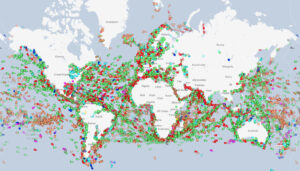
Geopolitics keeps the market on edge. Major producers have been adjusting strategies: Saudi Arabia has cut official selling prices for some Asian buyers to remain competitive, even while OPEC+ increases overall quotas. Russia’s oil flows continue to be reshaped by sanctions, price caps and evolving shipping dynamics — with India and China buying more Russian crude but the enforcement environment remaining complex. And, as ever, the Middle East remains a potential source of supply shocks. Even the hint of a shipping disruption or a sudden escalation in a conflict zone can lift prices quickly — a reminder that oil markets are as much about geopolitics as they are about barrels and balance sheets.
Outlook: Near-Term Pressure, Long-Term Uncertainty
Putting supply and demand together, many analysts at agencies like the IEA and EIA are forecasting modest downward pressure on prices in the near term. Brent could test the $60 area by late 2025 or early 2026 if inventories keep building and demand fails to rebound. That said, oil rarely follows a straight line. A surprise uptick in demand from Asia, a sudden geopolitical disruption, or even a coordinated supply cut could flip the picture quickly.
Beyond 2026, structural questions come into play. Investment cycles are long in oil — when upstream investment slows, that can create tighter markets years later. The irony is that today’s oversupply can become tomorrow’s shortage if producers underinvest in new capacity.
Scenarios to watch
- Base case: Slightly lower or stable prices through early 2026 due to oversupply and weak demand.
- Upward shock: Geopolitical disruption or demand rebound pushes prices up rapidly.
- Downside risk: Prolonged demand weakness and higher inventories push prices lower, squeezing marginal producers.
Why This Matters to You
It’s easy to think oil markets are someone else’s problem, but they link directly to everyday life. Lower oil prices can mean cheaper fuel, lower transport costs, and modest relief for inflation. On the flip side, sudden price spikes can increase the cost of goods and travel, and force governments to step in with subsidies or controls.
For businesses, energy cost volatility complicates planning and can squeeze margins. For workers, the market shift is reshaping careers: traditional oil roles may be under pressure in some regions, but jobs in renewables, energy efficiency, and green technologies are growing rapidly. For investors, the right play can vary dramatically depending on whether you think the market will tighten or stay loose.

Risks That Could Upend Forecasts
Forecasts are only as good as the assumptions underneath them. Major risk factors that could alter the path include an unexpected economic rebound in China, further geopolitical escalations that disrupt supply, or a faster-than-expected acceleration in the energy transition that chips away at long-term oil demand. Policy changes — carbon pricing, EV incentives or renewable subsidies — can also materially reshape demand projections.
How to Stay Informed Without Getting Overwhelmed
If you want to follow the oil market without becoming obsessive, focus on a few reliable signals: weekly U.S. inventory reports, OPEC+ meeting outcomes, and major economic indicators from the U.S., China and India. Visual trends (charts of Brent/WTI and inventories) are more informative than minute-by-minute headlines. If you’re tracking this for personal finance, think in months and quarters rather than daily swings. If you’re tracking it for career reasons, monitor where investment flows and job postings are moving — that’s a practical clue to future demand for skills.
Final Thoughts
Right now the oil market sits on a knife-edge: supply is strong, demand is soft, and geopolitical risk never fully fades. The numbers look calm in the short term, but beneath that surface, pressures are building. For consumers, this likely means cautious optimism — no immediate price shock is visible — but volatility remains a real possibility. For businesses and investors, the prudent approach is flexibility and scenario planning. For career seekers, the energy transition opens new doors: the best opportunities will be for people who can blend understanding of traditional energy markets with skills in renewables and sustainability.
Oil is more than a commodity: it’s a heartbeat of the global economy, a barometer of geopolitical tensions, and an indicator of where the world is heading next. Following oil market updates is not merely about tracking numbers — it’s about understanding how those numbers affect lives, livelihoods, and the broader future.
Want this tailored to your region or career path?
If you’d like, I can adapt this article to focus on Pakistan & South Asia (local fuel pricing, job opportunities and policy impacts), produce a shorter LinkedIn-friendly summary, or create a downloadable infographic. Tell me which version you want and I’ll prepare it.